
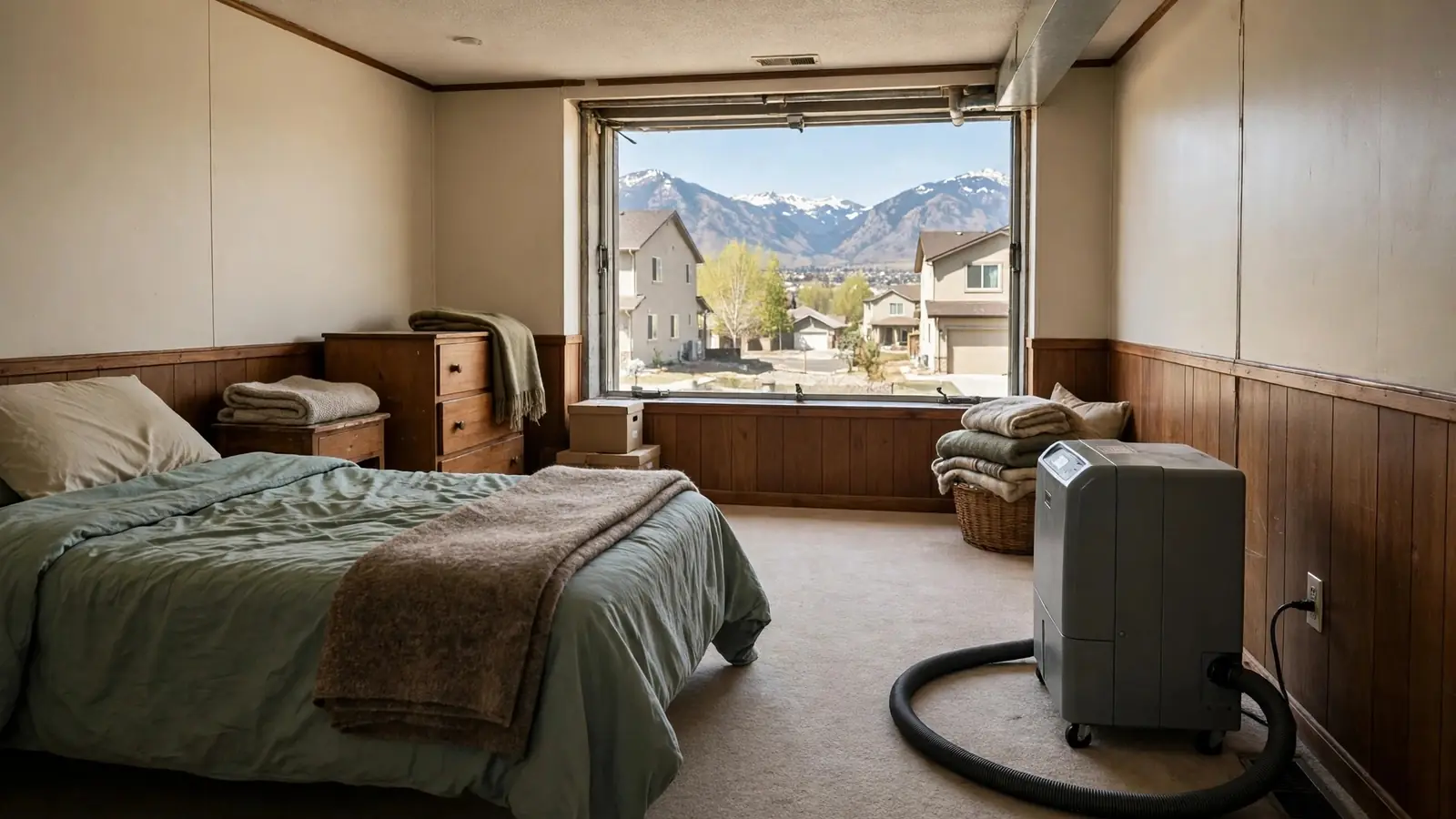
Key facts: Mitigation and Drying
- Mitigation aims to prevent further damage; restoration and repairs come afterwards.
- Evaporation depends on airflow, air dryness and temperature.
- Dehumidifiers remove the moisture that air movers release from wet materials.
- Drying goals are set by measuring unaffected materials of the same type.
- The EPA advises drying wet materials within 24 to 48 hours to limit mold growth.
In this page
- 1Mitigation versus restoration
- 2What mitigation involves
- 3The science of drying
- 4Drying in Springville's climate
- 5Drying equipment and what it does
- 6Removing only what needs to go
- 7Setting the drying goal
- 8Example of a drying log
- 9What you can do during drying
- 10Mold prevention during mitigation
- 11Mitigation and your insurer
- 12Questions to ask about mitigation
- 13Category and class: how contractors size the job
- 14Sizing the equipment
- 15Hardwood, tile and concrete
- 16Contents drying
- 17When drying stalls
- 18Working around a household
- 19Drying versus replacing
- 20Basements in winter
- 21Upper floors and ceilings
- 22Documentation you receive
- 23Signs drying is going well
- 24Energy and noise
- 25A typical mitigation job
- 26Why professional drying beats fans
- 27Mitigation for townhomes and condos
- 28Checking the work
- 29When equipment leaves
- 30Mitigation in rental and investment properties
- 31Common myths
- 32Questions homeowners often ask during drying
- 33After mitigation, before rebuild
- 34Quick note
- 35Mitigation and drying questions
Definitions
Mitigation versus restoration
The words get used loosely, but there is a useful difference. Mitigation is the emergency phase: stop the source, protect the building, remove the water and dry what remains. Restoration, or reconstruction, is the rebuild that follows: new drywall, paint, flooring, cabinets and trim. Insurers often treat them as separate parts of a claim, and some contractors do only one or the other.
Mitigation is where speed matters. Every hour that water sits, it moves deeper into materials. Drywall draws it upward, wood swells, particleboard breaks down and the odds of mold grow. Good mitigation shrinks the rebuild. Poor mitigation, or none, grows it.
In a Springville house the mitigation phase usually lasts from a few hours to several days. It starts with the first call and ends when moisture readings show the structure is dry and the equipment is taken away.
The work
What mitigation involves
- 1
Stop and assess
The source is confirmed shut off, and moisture readings map how far water has travelled through floors, walls and ceilings.
- 2
Contain
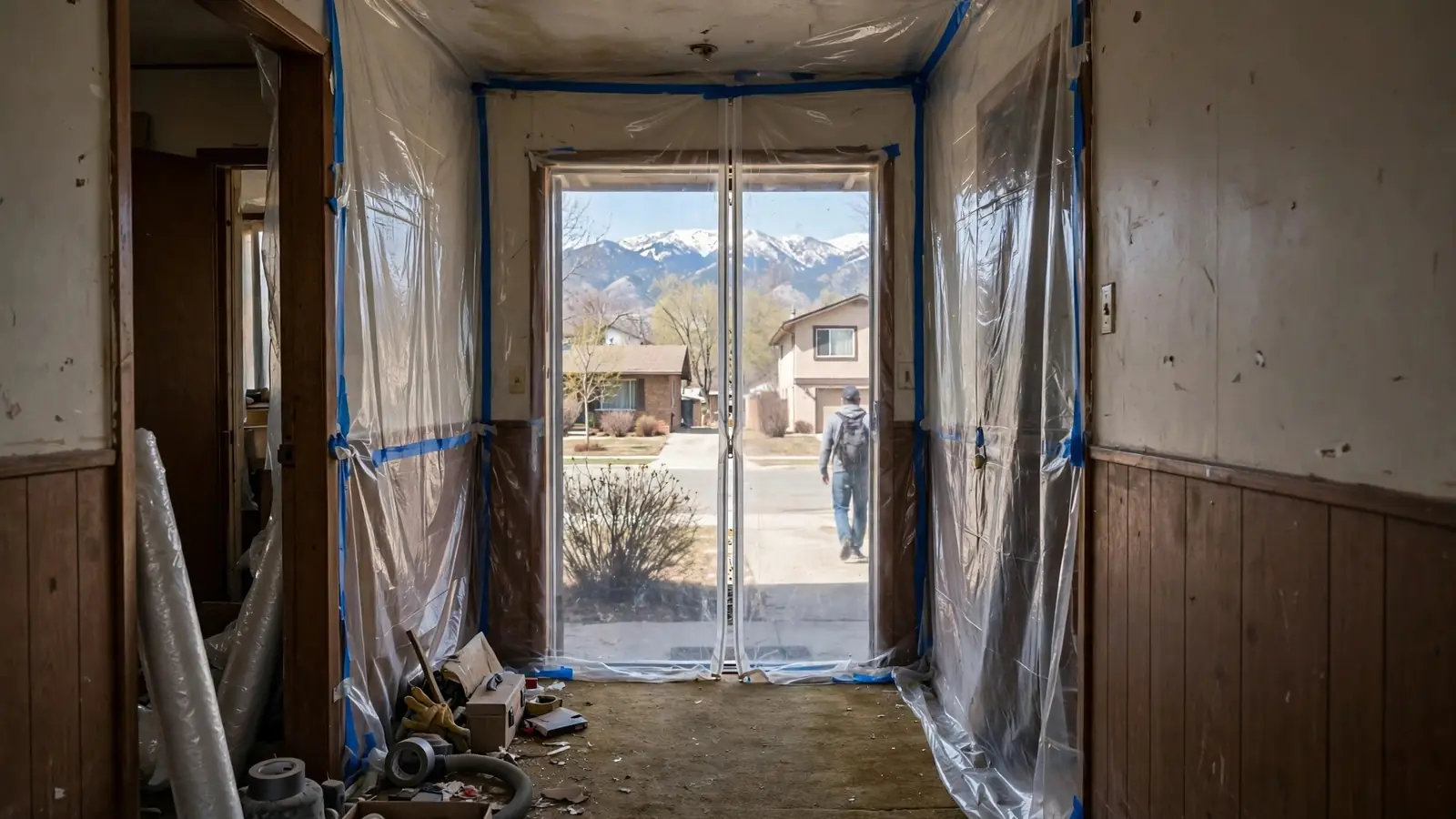
Plastic sheeting may separate wet areas from the rest of the house, keeping humid air where the dehumidifiers are and limiting the spread of dust or contamination.
- 3
Protect contents
Furniture and belongings are moved, blocked up or packed out.
- 4
Extract
Standing water and water held in carpet are removed with extraction equipment.
- 5
Remove selectively
Only materials that will not dry in time, or that are contaminated, are removed.
- 6
Dry
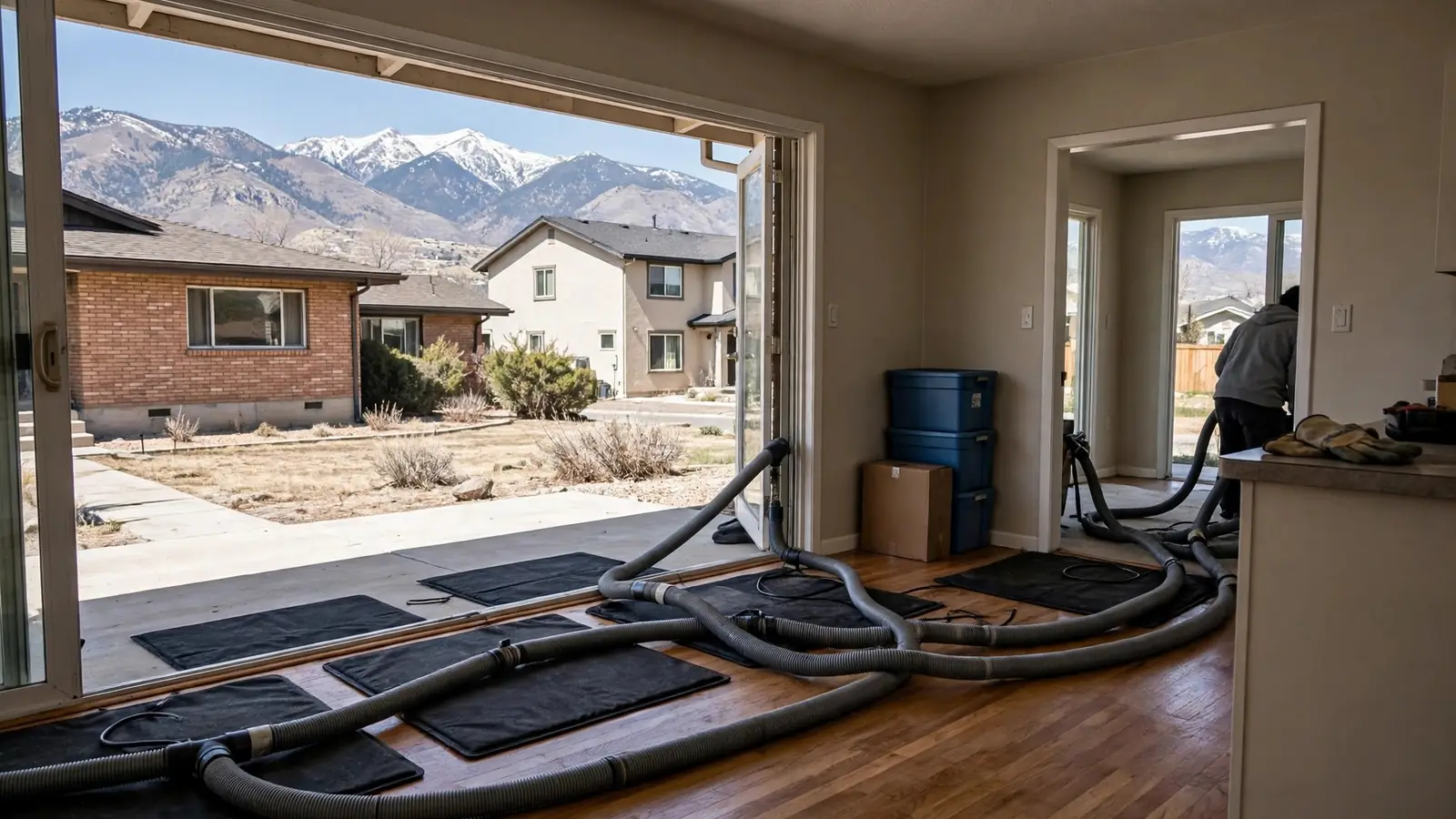
Air movers and dehumidifiers are set up and balanced for the space.
- 7
Monitor
Readings are taken daily and the setup adjusted until drying goals are met.
How it works
The science of drying
Drying a building is controlled evaporation. Water leaves wet materials as vapor when the air around them can accept it. Three things speed that up: air moving across the surface, air that is dry and air that is warm. Air movers provide the movement. Dehumidifiers keep the air dry by pulling vapor out of it. Temperature is managed with the home's heating or with heat from the equipment itself.
Leave out any one of those and drying stalls. Fans alone in a closed basement simply raise the humidity until the air is saturated and evaporation stops. A dehumidifier alone in still air dries the air but barely touches water inside carpet pad or drywall. A cold basement slab in January slows evaporation even with good airflow.
Professionals measure the air as well as the materials. A hygrometer reads temperature and relative humidity, and from those the contractor can work out how much moisture the air holds. Readings taken inside the drying area and outside it show whether the dehumidifiers are keeping up.
Local climate
Drying in Springville's climate
Utah County air is dry for much of the year, which helps. Outside air in summer can be warm and low in humidity, and some contractors use it, opening the house during the day to pull moisture out. In winter the outside air is dry too, but it is cold, and bringing it inside chills wet materials and slows drying. In that season the house is usually kept closed and heated, and dehumidifiers do the work.
Basements are the usual challenge. Concrete slabs stay cool year round, and basement rooms often have little airflow and small windows. Moisture also comes up through slabs and in from the soil. Mitigation plans for basements generally rely on more dehumidification and longer monitoring than upstairs rooms.
Equipment
Drying equipment and what it does
| Equipment | Purpose | Notes |
|---|---|---|
| Air movers | Speed evaporation from wet surfaces | Placed around room edges and aimed along walls |
| Refrigerant dehumidifiers | Remove water vapor by cooling air below its dew point | Work best in warmer rooms |
| Desiccant dehumidifiers | Remove vapor with a moisture-absorbing material | Better in cold spaces such as winter basements |
| Wall cavity systems | Push dry air into closed walls through small holes | Can avoid removing drywall in some cases |
| Floor drying mats | Draw moisture from under hardwood | Reduce cupping when started early |
| Air scrubbers | Filter dust and particles from the air | Used during tear-out and with contaminated water |
Selective removal
Removing only what needs to go
Mitigation does not mean tearing everything out. The aim is to remove what cannot be dried in time, or what is contaminated, and to save what can be saved. Carpet pad soaked with clean water is usually removed because it dries poorly; the carpet above it is often kept. Drywall that is damp but structurally sound may be dried in place. Drywall that is saturated, sagging or touched by contaminated water is cut out.
The decision depends on readings, the water category and what is inside the wall. A good contractor explains the choice and records it with photos, which helps with the insurance claim and with your own peace of mind.
Measuring
Setting the drying goal
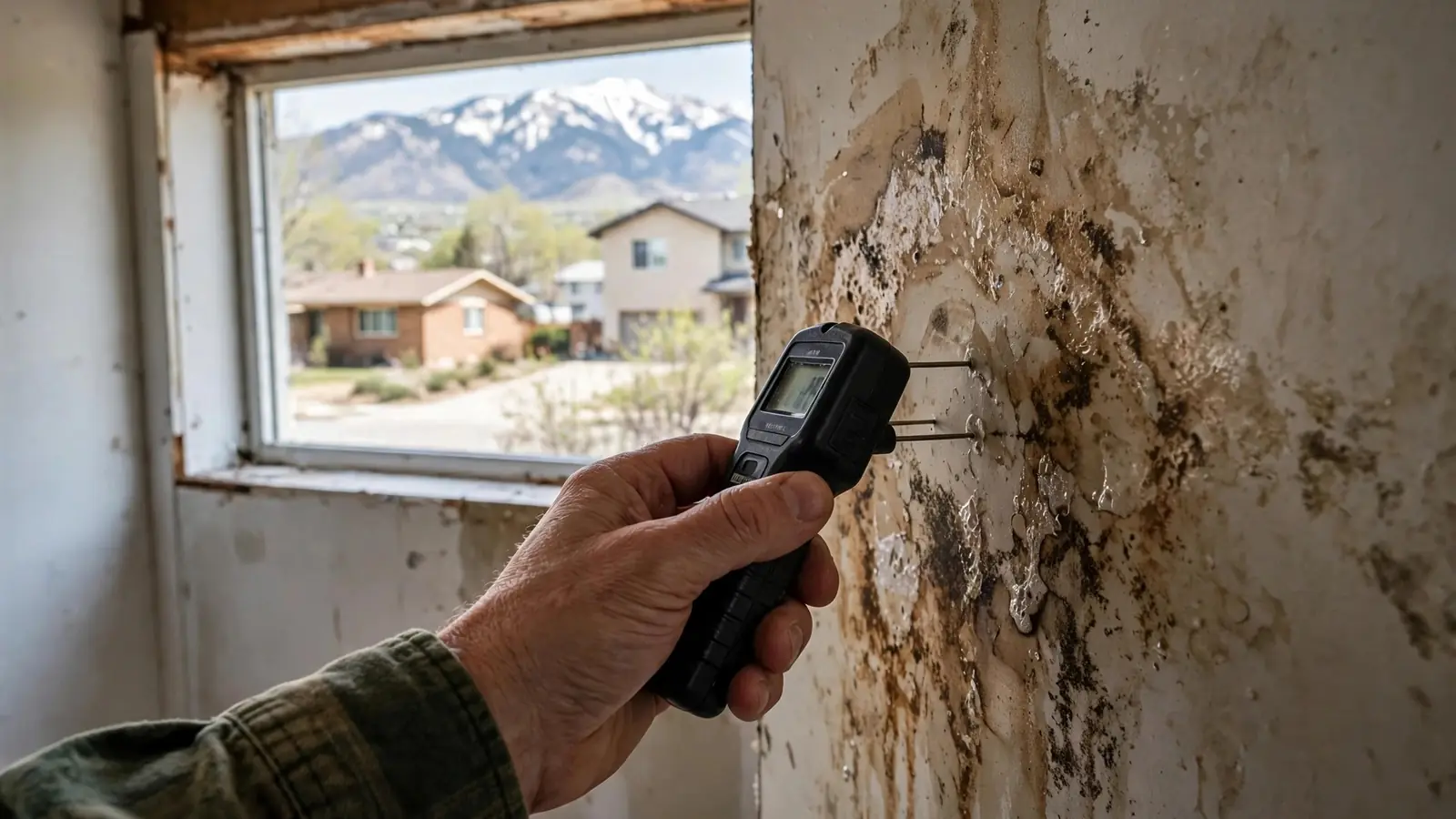
How do you know when a wall is dry? Contractors take readings from the same type of material in an unaffected area of the house: a dry wall of the same drywall, a dry part of the same floor. That reading becomes the goal. Wet materials are dry when they match it.
Readings are taken at the same points every day and recorded in a drying log. The log shows the moisture dropping and proves the structure reached its goal before anything was closed up. If readings stop dropping, the contractor adjusts: more dehumidification, repositioned air movers, or removal of material that is trapping water.
Records
Example of a drying log
| Day | Affected drywall | Dry reference | Status |
|---|---|---|---|
| Day 1 | Very wet | Normal | Equipment set |
| Day 2 | Wet | Normal | Readings dropping |
| Day 3 | Slightly elevated | Normal | Air movers repositioned |
| Day 4 | Matches reference | Normal | Goal met |
Values are described rather than numbered because meters and scales differ by manufacturer.
Your part
What you can do during drying
- Leave the equipment runningTurning machines off overnight lets humidity climb back.
- Keep doors and windows as setThe contractor arranges airflow on purpose.
- Keep the heat onWarm air dries faster, especially in winter.
- Empty dehumidifiers if askedSome units drain to a hose; others need emptying.
- Report changesNew stains, smells or water should be reported straight away.
Mold
Mold prevention during mitigation
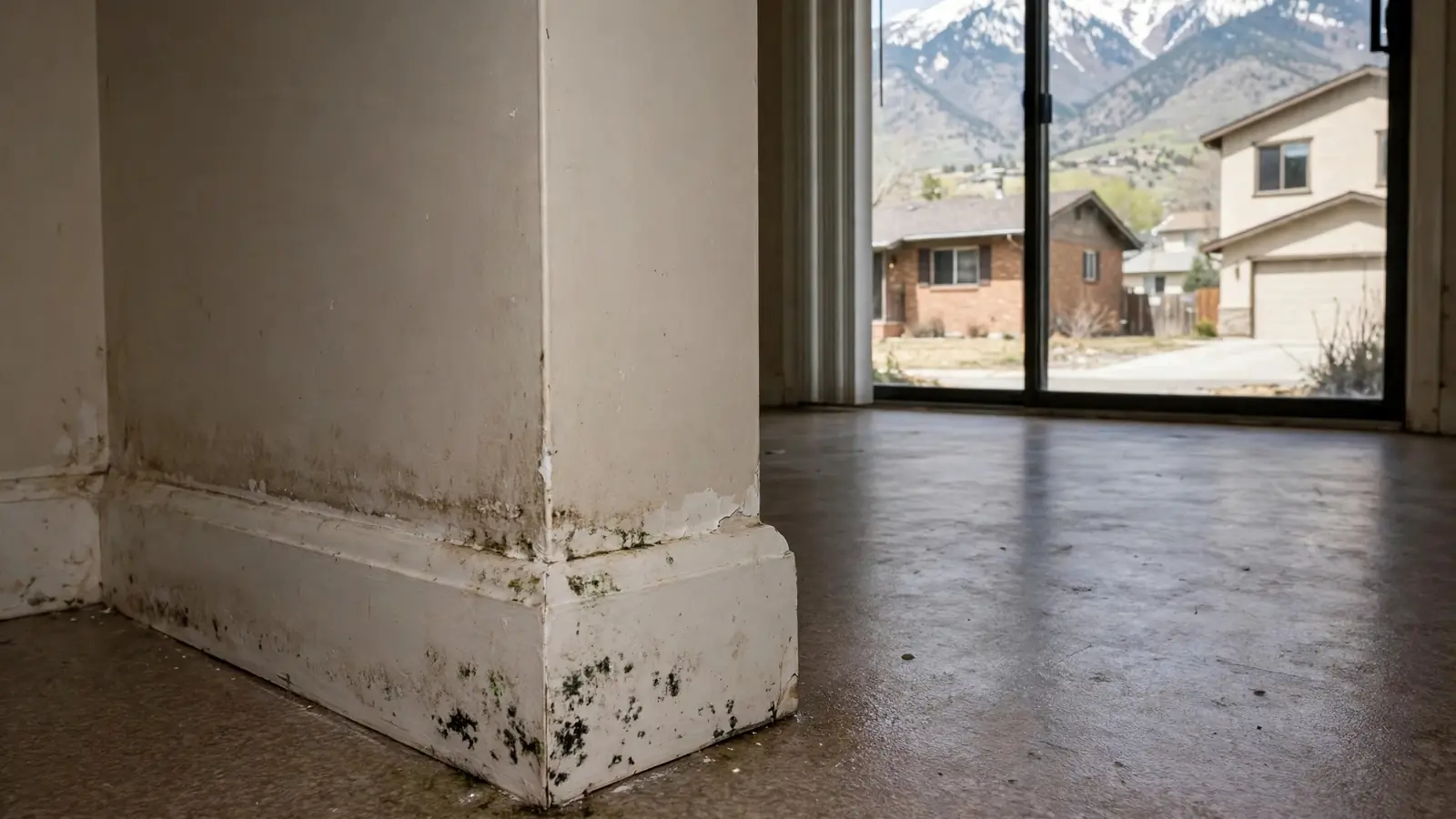
Mitigation is the best mold prevention there is. Mold needs moisture, and fast drying takes it away. Antimicrobial products may be applied to framing and subfloors, particularly with gray or black water, but they support drying rather than replace it.
If a contractor finds existing mold when walls are opened, the plan changes. Containment becomes stricter, air scrubbers are used, and affected materials are removed carefully. The EPA's guidance for homeowners suggests that larger areas of mold, roughly more than about ten square feet, are generally better handled by professionals.
Claims
Mitigation and your insurer
Insurers generally expect mitigation to begin promptly. The drying log, photos and list of removed materials are the evidence that the work was reasonable and necessary. Ask the contractor you speak with how they document drying and whether they share the log with you as well as the insurer.
Ask
Questions to ask about mitigation
- How will you contain the wet area?
- Which materials do you plan to remove, and why?
- What drying goal are you using, and how did you set it?
- How often will you take readings?
- Will I receive a copy of the drying log?
- What licences, certifications and insurance do you carry?
Planning
Category and class: how contractors size the job
Restoration contractors use two kinds of labels when they plan drying. The category describes how contaminated the water is, from clean supply water to sewage and floodwater. The class describes how much water is involved and how hard the materials will be to dry. A small area of wet carpet on a hard floor is a light job. A whole basement with wet carpet, walls wicked high and insulation soaked is a heavier one. Dense materials such as hardwood, plaster and concrete that have absorbed water take longest of all.
Together, category and class decide how much equipment goes in and how much material comes out. Industry guidance such as the IICRC S500 standard for water damage restoration describes these classifications, and many contractors follow it. You do not need to know the details, but it is reasonable to ask the contractor which category and class they think apply and why.
Equipment
Sizing the equipment
Dehumidifiers are rated by how much water they can remove from the air in a day under standard conditions. Contractors work out how much water the affected area is likely to release, then choose enough dehumidification to keep up. Air movers are placed according to the area of wet floor and the length of wet wall. Too little equipment drags the job out; too much wastes power and can over-dry some materials.
As drying progresses, the setup changes. Areas that reach their goal have equipment removed, and the rest is concentrated where readings remain high. That is why daily visits matter: a drying job is adjusted as it goes, not set and left.
Floors
Hardwood, tile and concrete
Different floors dry differently. Solid hardwood absorbs water and cups; drying mats and patience can often flatten it again. Tile on a slab usually survives, though water trapped in grout lines and under loose tiles needs time. Tile over a wood subfloor can trap water below. Concrete slabs hold water for a long time and release it slowly, which is why basement drying can stretch on after the surface looks dry.
Contractors read floors as well as walls and keep going until the flooring and the material beneath it reach normal levels. Installing new carpet or wood over a slab that is still wet is a common cause of later problems.
Belongings
Contents drying
Furniture, rugs, books and clothing need drying too. Some contractors dry items in place, raised on blocks in the drying area. Others move them to a dry room or pack them out to a facility. Upholstered furniture that sat in clean water may be dried and cleaned; items in contaminated water are usually discarded. Photographs and an inventory protect you when items are moved or thrown away.
Talk to a local contractor
Questions about mitigation and drying?
One call connects you with an independent water damage restoration contractor who serves Springville.
Troubleshooting
When drying stalls
Sometimes readings stop dropping. Common reasons include water trapped behind a vapor barrier or under vinyl flooring, insulation still in a wall cavity, a hidden ongoing leak, or dehumidifiers that cannot keep up with a cold, damp basement. The fix may be removing more material, adding equipment, raising the temperature or finding the source of new water. A contractor who checks readings every day will spot a stall early and explain what they are changing.
Living with it
Working around a household
Drying equipment takes over part of the house for several days. Contractors try to leave walkways open and route cords safely, but children and pets need watching. Air movers raise dust, so it is worth removing small items and covering electronics nearby. Equipment generates heat; rooms may feel warmer than usual. If a bedroom is in the drying zone, plan to sleep elsewhere for a few nights.
Choices
Drying versus replacing
Mitigation is about drying what can reasonably be dried. Sometimes replacing a material is faster and better than trying to dry it, such as soaked carpet pad, saturated insulation or swollen particleboard. Sometimes drying is clearly better, such as solid hardwood, framing, plaster and concrete. Contractors weigh how long drying will take, how likely it is to succeed and whether the material will be sound afterwards.
Seasons
Basements in winter
In a Springville winter, a basement slab may sit at cool temperatures, and outside air is cold. Drying slows in those conditions. Contractors keep the space warm, often with the home's heating plus heat from equipment, and may use desiccant dehumidifiers that work well in the cold. Expect basement drying in January to take longer than the same job in July.
Ceilings
Upper floors and ceilings
Water from an upstairs leak soaks the subfloor, then the ceiling below. Ceilings can hold a surprising amount of water and may sag. Contractors may drill small holes to drain water safely, then dry the cavity from below. Insulation in ceiling cavities between floors is often removed if soaked.
Paperwork
Documentation you receive
At the end of mitigation, you should receive photos, the daily moisture log, a list of removed materials and a statement that drying goals were met. Keep these with your house records. They matter for insurance, for the rebuild and if you sell the house.
Progress
Signs drying is going well
Readings drop day by day, the air feels less humid, odors fade and no new stains appear. If any of those are not happening, ask the contractor what they see.
Practicalities
Energy and noise
Drying equipment uses electricity continuously and can be loud. Contractors try to balance enough equipment to dry quickly with the household's comfort. Ask about the expected duration, and keep breakers in mind; some setups need dedicated circuits.
Example
A typical mitigation job
A Springville family's second-floor bathroom supply line fails while they are at work. By evening, water has soaked the bathroom floor, run through the ceiling of the kitchen below and down the wall into the basement. The contractor maps moisture on all three levels, removes the soaked bathroom flooring underlayment, opens a section of the kitchen ceiling to drain and dry it, removes wet insulation and sets drying equipment on each floor. Basement carpet pad is removed and the carpet dried in place. Readings are taken daily, and after four days every level reaches its goal. The family has a clear record for their insurer and a scope for repairs.
Why it matters
Why professional drying beats fans
Household fans move air but do not remove moisture from it, and they cannot reach inside walls, under flooring or into ceiling cavities. Without dehumidification, humidity in a closed house rises and drying slows to a crawl. Professional mitigation combines extraction, targeted removal, high-capacity dehumidifiers, directed airflow and measurement. The result is drying in days rather than weeks, with proof it is complete.
Attached homes
Mitigation for townhomes and condos
In attached homes, water often crosses into a neighbor's unit through shared walls and floors. Mitigation may need access to several units, and coordination with the HOA or property manager. Each unit's damage is documented separately, which helps when more than one insurance policy is involved.
Your role
Checking the work
You do not have to take drying on trust. Ask to see readings, ask what the dry goal is and how it was chosen, and ask before anything is removed. A good contractor welcomes the questions.
Wrap-up
When equipment leaves
When the last readings meet the goal, equipment is removed and the area is ready for repairs. Keep an eye on the area for a few weeks, especially the bottom of walls and floors, and report anything unusual.
Mitigation in rental and investment properties
Landlords and investors face extra pressure: tenants to accommodate, lost rent and sometimes vacant units where leaks go unnoticed. Fast mitigation keeps units habitable or shortens the time they are empty. Keep tenants informed, document the work carefully and ask the contractor for a written timeline. Vacant units benefit from leak sensors, temperature alerts and shut-off valves, especially in winter.
Common myths
Opening windows will dry the house: only on warm, dry days, and not inside walls. Bleach kills mold, so drying does not matter: drying is what stops mold; bleach does not reach inside porous materials. If it looks dry, it is dry: surfaces dry long before cavities. Meters, not appearances, decide when drying is done.
Questions homeowners often ask during drying
Can we turn the machines off at night? Better not; continuous drying is faster. Can we close the doors? Only as the contractor set them. Is the noise normal? Yes, air movers are loud. Why is it so warm? Equipment generates heat, which helps drying. When will it be done? When readings meet the dry goal, often within three to five days for a clean-water loss.
After mitigation, before rebuild
There is often a short gap between the end of drying and the start of repairs while scopes are agreed and materials ordered. Keep opened areas clean and dry, and avoid storing items against bare framing. If anything gets wet again, call the contractor.
Quick note
Ask for a copy of the final drying report for your records before the crew leaves the job.
Questions
Mitigation and drying questions
How long does structural drying take?
Commonly three to five days for a clean-water loss, longer in cold basements or with dense materials. Readings decide.
Why is the equipment so loud?
Air movers move a lot of air quickly. The noise is temporary.
Can drying start at night?
Yes. Calls are answered 24 hours a day, and starting quickly limits damage.
Will my electricity use go up?
Drying equipment draws power. Ask the contractor how many units are planned and how long they expect them to run.