
Key facts: Westfields
- Springville's west side lies lower, toward Utah Lake, where groundwater tends to be higher.
- Sump pumps remove groundwater collected by perimeter drains; a failed pump can flood a basement.
- New homes can have early plumbing problems such as loose fittings or nail punctures.
- Builder warranties may cover some defects in new homes; check the warranty terms.
- Secondary pressurized irrigation lines run through many newer Utah subdivisions.
In this page
- 1The west side
- 2Common causes here
- 3Sump pumps
- 4New construction
- 5Protecting a west-side basement
- 6Sump pump trouble signs
- 7Open floor plans and water travel
- 8Basements in newer homes
- 9The lake effect
- 10Builder warranties and documentation
- 11New-home leak sources
- 12Questions to ask on the call
- 13A typical Westfields call
- 14Upstairs laundry rooms
- 15Secondary water in newer subdivisions
- 16More Westfields questions answered in detail
- 17A year on the west side
- 18How cleanup in newer homes differs
- 19What to tell the contractor when you call
- 20Neighbourhood drainage
- 21Selling or buying a newer home
- 22Who else may be involved
- 23Calling at any hour
- 24Landscaping and new yards
- 25The bottom line
- 26Help for Westfields homeowners
- 27Related reading
- 28Westfields questions
About the area
The west side
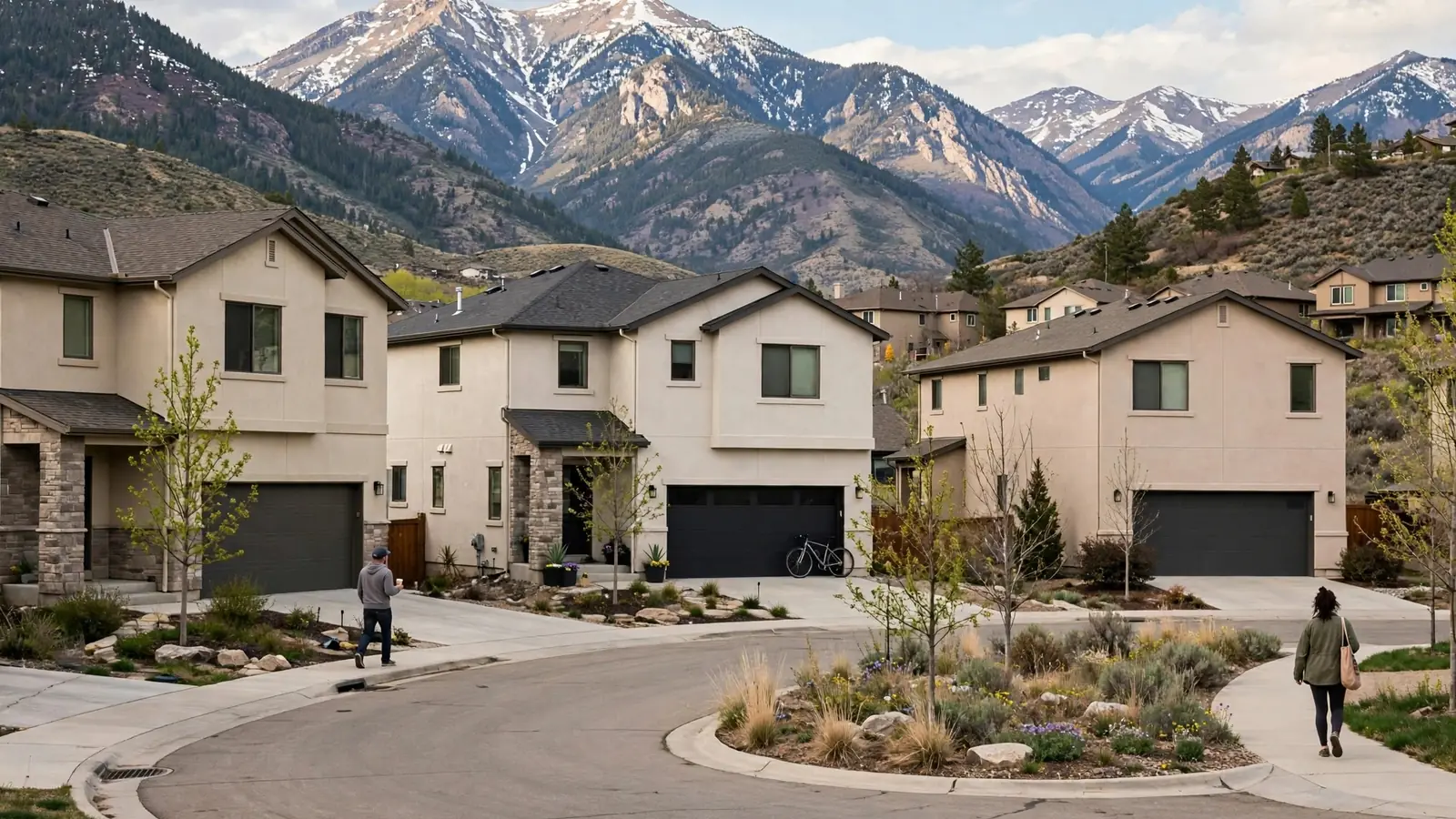
West of the freeway and the older town grid, Springville has grown into fields that once surrounded Utah Lake's eastern shore. The Westfields area is mostly newer subdivisions, with two-story homes, basements and open floor plans, built from the late 1990s onward. Land here is flatter and lower than the east side, closer to the lake and its wetlands.
Lower ground generally means a higher water table. In wet springs, groundwater around foundations rises, and many homes rely on perimeter drains and sump pumps to keep basements dry. Newer homes also mean newer plumbing, which brings a different set of early-life problems.
Causes
Common causes here
- Sump pump failurePumps fail from age, power outages or a stuck float, letting groundwater rise into the basement.
- Groundwater seepageHigh water tables push moisture through slabs and wall joints.
- New-build plumbing defectsLoose fittings, nail punctures in lines and poorly sealed drains show up in the first years.
- Secondary irrigationPressurized irrigation lines break and run toward foundations.
- Window wellsWells on new homes can lack covers or have drains not yet connected.
- Appliance connectionsIce-maker and dishwasher lines installed during move-in can leak.
Sump pumps
Sump pumps
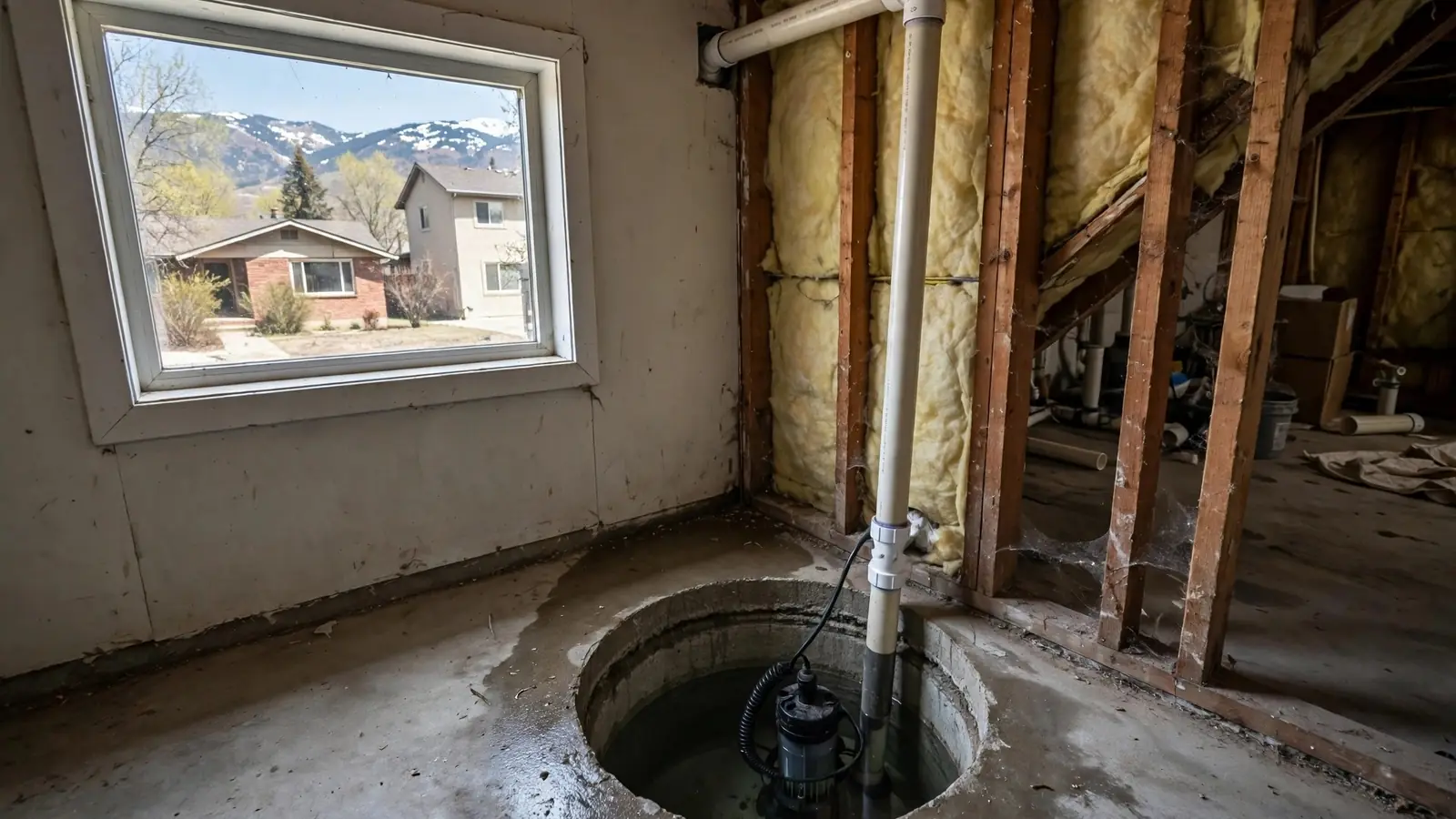
A sump pump sits in a pit in the lowest corner of the basement and pumps out groundwater collected by drains around the foundation. When it works, you hardly notice it. When it fails, the pit overflows and water spreads across the floor.
Pumps fail for simple reasons: the float sticks, the motor wears out, the discharge line freezes or clogs, or the power goes out during a storm. A battery backup pump, a high-water alarm and a yearly test, pouring water into the pit to see the pump start, go a long way.
Water from a sump overflow has come from the ground and is often treated as gray or black water. Policies also differ on whether sump overflow is covered; some need a specific endorsement.
New builds
New construction
New homes are built to current codes but still have teething problems. Common early leaks include fittings that were not fully tightened, a drywall screw or nail driven through a supply line, shower pans that were not sealed properly and condensate lines from furnaces or air conditioners that were not connected. Many of these show up within the first year or two.
If your home is still under a builder warranty, report water problems to the builder in writing as well as dealing with the immediate damage. Photograph everything and keep the contractor's documentation. The builder may be responsible for the defect, while your homeowners policy may respond to the resulting damage, depending on terms.
Prevention
Protecting a west-side basement
- 1
Test the sump pump
Pour water into the pit and make sure the pump starts and the water discharges outside.
- 2
Add a backup and alarm
A battery backup and high-water alarm catch failures.
- 3
Keep discharge lines clear
Make sure the line outside is not blocked or frozen.
- 4
Install well covers
Keep snow and rain out of window wells.
- 5
Check irrigation
Look for wet spots along the foundation during irrigation season.
Warning signs
Sump pump trouble signs
| Sign | Likely issue |
|---|---|
| Pump runs constantly | Stuck float or high groundwater |
| Pump never runs in wet weather | Failed motor or float |
| Loud grinding | Worn impeller or debris |
| Water around the pit | Overflow or blocked discharge |
Layouts
Open floor plans and water travel
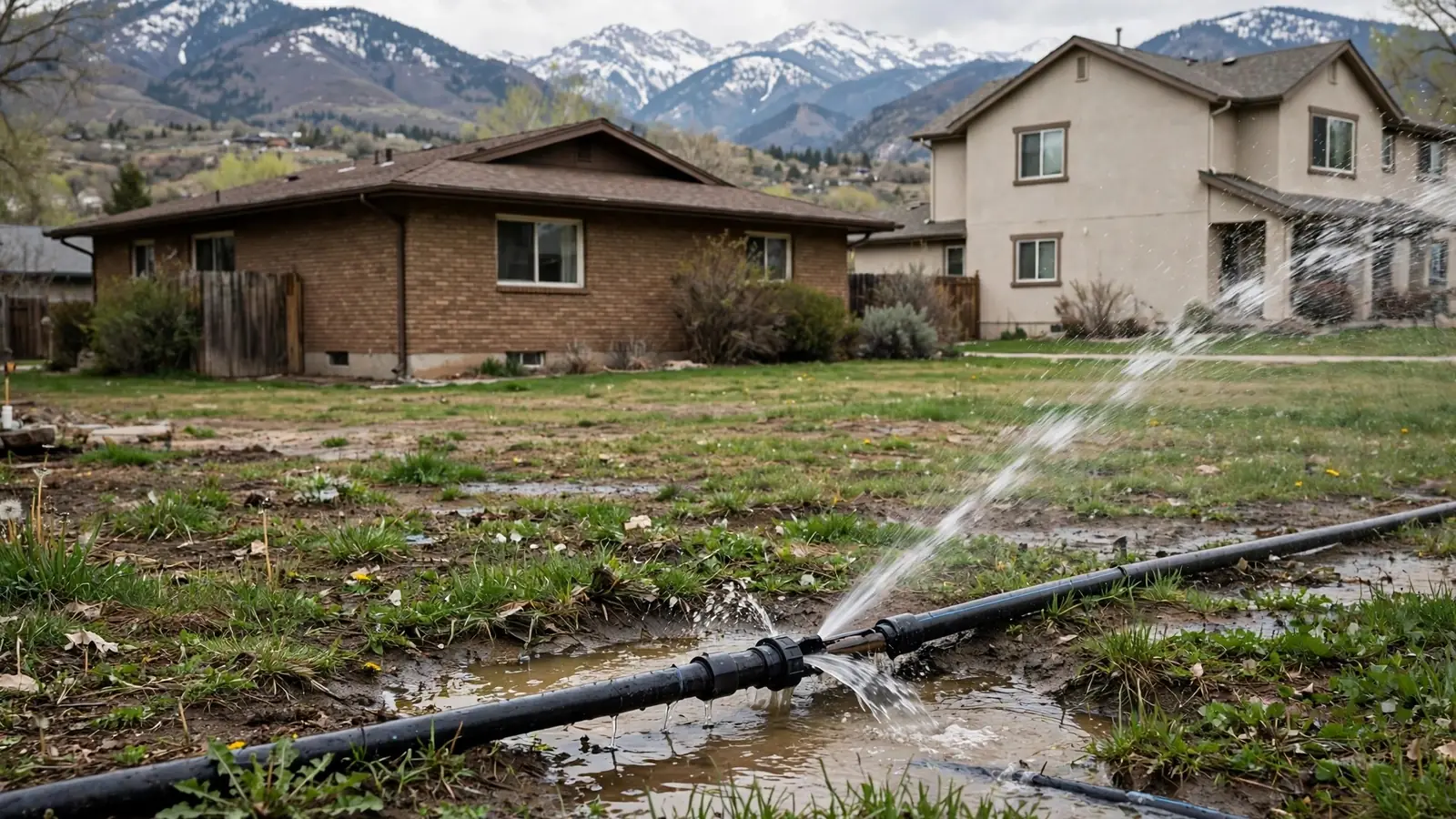
Newer homes in Westfields are often built with open main floors, large kitchens with islands, and laundry rooms upstairs near the bedrooms. Those layouts are convenient, but they change how water damage spreads. An upstairs laundry leak runs across the subfloor and down through the ceiling of the great room. A kitchen island with a sink and dishwasher has supply and drain lines running under the floor to the middle of the room.
Engineered wood and luxury vinyl plank flooring, common in newer builds, are installed as floating floors over a pad. Water gets under them easily and spreads beneath the planks out of sight. Many of these products do not tolerate water underneath well, and the usual approach after a significant leak is to remove planks in the wet area so the subfloor can dry.
Basements
Basements in newer homes
West-side basements are typically poured concrete with a perimeter drain, a sump pit and some kind of damp-proofing on the outside of the walls. Many were finished by the builder or soon after, with drywall over insulated stud walls and carpet over pad. That construction is drier than older basements, but it relies on the drainage system working.
When the sump pump stops or the perimeter drain is overwhelmed, groundwater spreads under the carpet across a large area quickly. Because the walls are insulated and finished, water that wicks into the bottom plates and drywall is hidden. Moisture mapping across the entire basement is important even if only one corner looks wet.
Groundwater
The lake effect
Utah Lake is shallow and its level changes with the snowpack and water use. In wet years, the lake rises and groundwater near its shores rises with it. Homes on Springville's west side are some distance from the shoreline, but the general slope of the land toward the lake and the wetter soils near it mean groundwater sits closer to the surface than on the east side.
That is one reason west-side subdivisions rely on perimeter drains and sump pumps. It also means that in a wet spring, those systems work harder and longer than usual. A pump that has run lightly for years may fail in the first truly wet season.
Warranties
Builder warranties and documentation
If your home is still within its builder's warranty period, a leak caused by a construction defect may be the builder's responsibility to repair. Warranties vary, and many require written notice within a certain time. Notify the builder in writing, keep copies and photograph the defect before it is repaired. The restoration contractor's moisture log and photos help show what was damaged and why.
Even when a builder is responsible for the defect, you still need to stop the damage right away. Waiting for the builder's schedule while water sits in walls can make the damage much worse, and some warranties exclude damage that results from delay.
New builds
New-home leak sources
| Source | Where it shows up |
|---|---|
| Loose compression fitting | Under sinks and toilets |
| Nail through a supply line | Inside a wall, often weeks after move-in |
| Unsealed shower pan | Ceiling below the bathroom |
| Disconnected condensate line | Around the furnace or in the ceiling below an attic unit |
| Ice-maker line | Behind or under the refrigerator |
Ask
Questions to ask on the call
- Is this groundwater or a plumbing leak?
- Will the floating floor need to come up?
- How will you check the whole basement for hidden moisture?
- Can your documentation support a builder warranty claim?
- Do you share daily moisture readings?
- What licences and insurance do you carry?
Example
A typical Westfields call
A frequent west-side call happens during a wet spring or after a summer power outage. The family notices the basement carpet is wet along one wall, then realises the sump pit is full and the pump is silent. The float may have jammed, the motor may have burned out, or the power cut stopped it. Groundwater has risen over the rim of the pit and spread under the carpet across much of the basement.
The first job is to get the pit pumped and a working pump in place, often a temporary pump until a plumber replaces the unit. The contractor then extracts the carpet, removes the pad, takes readings around the whole basement and removes drywall where water wicked up. Because sump water comes from the ground, it is usually treated as contaminated. Dehumidifiers run for several days.
The homeowner is usually advised to add a battery backup pump and a high-water alarm. Both are a small step compared with another flooded basement.
Laundry
Upstairs laundry rooms
Many newer west-side homes put the laundry upstairs near the bedrooms. That saves carrying baskets up and down stairs, but it puts a washing machine above finished ceilings. A burst fill hose or an overflowing drain standpipe sends water through the floor into the room below, often a living room or kitchen.
A drain pan under the washer, with its own drain line, catches small leaks. Braided steel fill hoses resist bursting better than rubber ones. A leak sensor on the floor beside the machine gives warning. Turning off the supply valves when going away for more than a day is a simple habit that prevents the worst outcomes.
Talk to a local contractor
Questions about westfields?
One call connects you with an independent water damage restoration contractor who serves Springville.
Irrigation
Secondary water in newer subdivisions
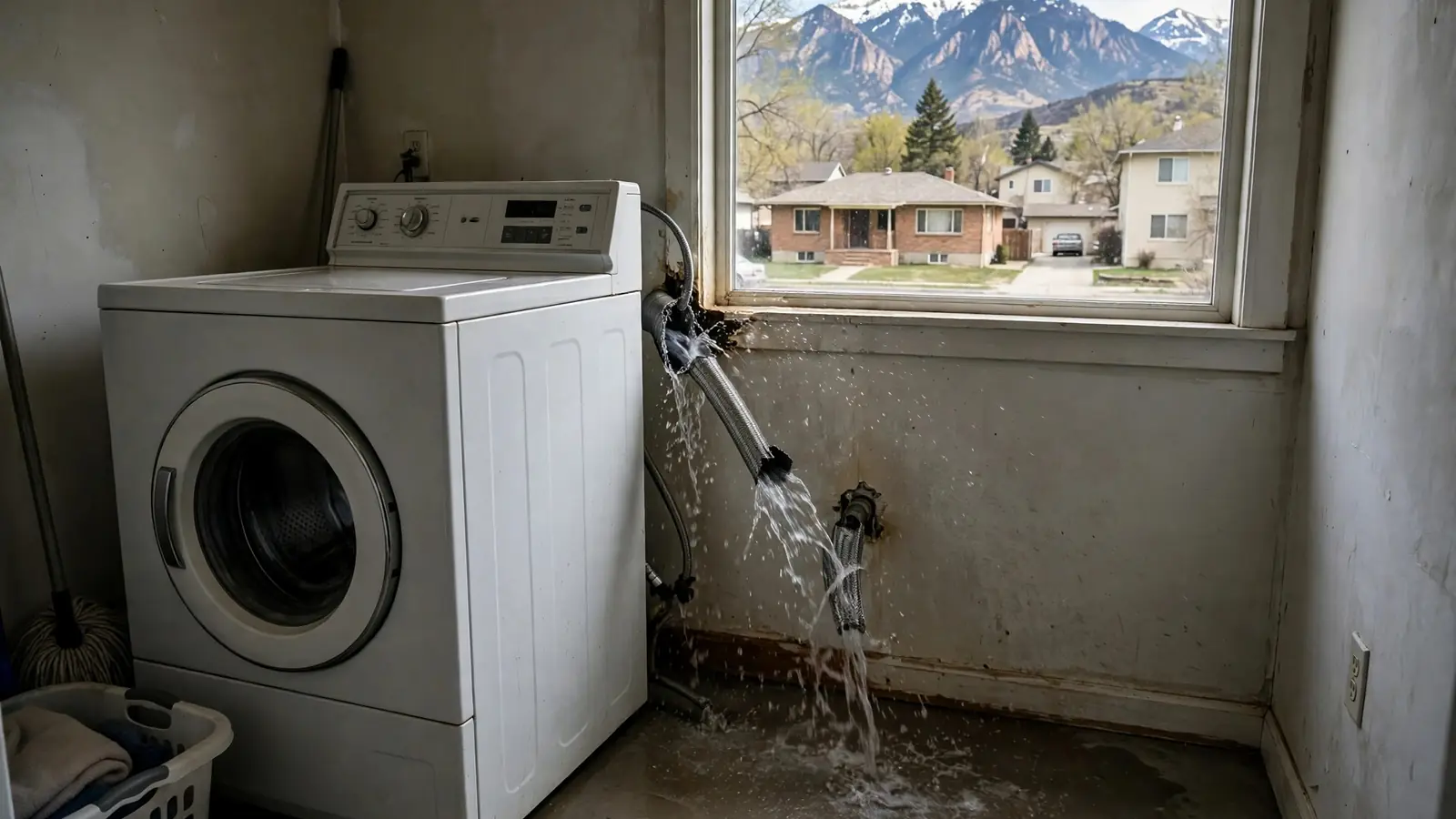
Many newer Utah subdivisions are served by pressurized secondary irrigation, a separate untreated water system for lawns and gardens. These lines run beside homes and through yards and operate at pressure through the watering season. A cracked line or a broken fitting near a foundation can saturate the soil and push water into a basement in hours.
Signs include a soggy patch of lawn that never dries, water bubbling from the ground, or a sudden drop in sprinkler pressure. If you suspect a secondary line leak, shut off the secondary water valve to your property and contact the provider or a landscaper. Indoors, treat any resulting basement water as coming from outside.
Questions
More Westfields questions answered in detail
How often should I test my sump pump?
At least once a year, ideally before spring. Pour a bucket of water into the pit and watch the pump start and empty it. Check that water discharges outside and away from the house. Many people also test after long dry periods, when floats can stick.
What size battery backup do I need?
That depends on the pump and how often it runs. A plumber or the backup manufacturer can help you choose one that will run long enough to cover a typical outage. A high-water alarm is a useful addition regardless.
My new home's basement smells damp. Is that normal?
New concrete releases moisture as it cures, and many new basements feel damp for a year or two. Running a dehumidifier helps. A persistent musty smell, visible staining or wet carpet is not normal and should be checked.
Can luxury vinyl plank flooring be dried in place?
The planks themselves are water resistant, but water underneath can stay trapped against the subfloor or slab. After a significant leak, planks in the wet area are often lifted so the floor beneath can dry, then reinstalled or replaced.
Does the builder or my insurer pay for a leak in a new home?
It depends on the cause and the documents. A builder warranty may cover a construction defect; a homeowners policy may cover sudden resulting damage. Notify both, document everything and let them sort out responsibility while the house is dried.
Is the secondary water system my responsibility?
Lines on your property, from the connection to your sprinklers, are usually the homeowner's responsibility. Check with your secondary water provider for details.
Through the year
A year on the west side
Winter brings frozen sump discharge lines and pipes in garages, plus the risk of power outages that stop pumps. Keep discharge lines clear where they exit, and consider a battery backup if you have not already.
Spring is the high-water season. Groundwater rises, pumps cycle often and any weakness in the drainage system shows up. Listen for the pump running and check the pit after storms. This is the most likely time for a basement flood on the west side.
Summer is secondary irrigation season, with pressurized lines feeding lawns. Watch for soggy patches near the house. Autumn is the time to service the sump pump, clean window wells and check that downspouts drain away from the foundation.
Differences
How cleanup in newer homes differs
Newer homes often dry faster than older ones because they have better insulation, tighter construction and more modern materials. They also have more finished space and more floating floors that hide water underneath. Contractors usually check the whole basement for wicking into bottom plates, lift floating floors in wet areas and dry insulated walls carefully.
Because many newer basements rely on a sump system, cleanup often goes hand in hand with getting that system working again. The restoration contractor deals with the damage; a plumber or waterproofing contractor deals with the pump and drains.
On the call
What to tell the contractor when you call
- Your address and accessStreet address, gate codes or a steep drive, and where a crew can park in Westfields.
- Where the water came fromThe sump pit, a fitting, the laundry upstairs or an irrigation line.
- Whether the sump pump is runningAnd whether power is on.
- Floor typesCarpet, floating vinyl or wood, tile.
- The age of the houseAnd whether it is still under a builder warranty.
Lot drainage
Neighbourhood drainage
Subdivisions on the west side were designed with storm drains, detention basins and graded lots meant to carry water away from houses. Over time, homeowners change that grading with landscaping, patios, play areas and fences. A raised flower bed against a wall or a patio poured with a slight slope toward the house can undo the original design.
After a water event, look at how the yard has changed since the house was built. Restoring a slope away from the foundation, or adding a drain where a patio meets the wall, can be more effective than anything done inside the basement.
Real estate
Selling or buying a newer home
Buyers of newer west-side homes often assume the basement is trouble-free because the house is young. It is worth checking anyway. Ask whether the sump pump has ever failed, how old it is and whether there is a backup. Look at the basement carpet along exterior walls and around the sump pit for staining or replacement. Check window wells for covers and working drains.
Sellers should keep records of any water events, builder warranty repairs and drying documentation. If the sump pump is original and the house is more than ten years old, replacing it and adding a backup before listing can reassure buyers. Disclosing a well-handled past problem builds trust; discovering an undisclosed one during inspection does the opposite.
Other parties
Who else may be involved
Water damage in a newer west-side home commonly brings in a plumber for the sump pump or failed fitting, the builder if the house is under warranty, and sometimes the secondary water provider if an irrigation line is involved. Your insurer and adjuster handle the claim. The restoration contractor sits in the middle, documenting the damage and drying the structure, and their records are often what the builder, insurer and plumber rely on to agree on what happened.
Around the clock
Calling at any hour
Sump pumps tend to fail when they are needed most, during heavy rain, fast snowmelt or a power outage in a storm. Calls through this site are answered day and night, every day, and connected to an independent contractor who works in Springville. If water is rising from the pit, tell them so; they can advise whether to bail, what to move first and how soon they can bring pumps and extraction equipment. Fast action keeps groundwater from spreading under carpet across the whole basement.
Landscaping and new yards
New subdivisions start with bare lots, and homeowners add lawns, beds, trees and patios over the first few years. Each change affects drainage. Fresh sod and new beds may be watered heavily while plants establish, soaking the soil around the foundation. Trees planted close to the house will one day send roots toward foundations and pipes. Planning landscaping with drainage in mind, keeping beds a little lower than the foundation and sloping soil away, protects the basement for decades.
Summary
The bottom line
Newer homes on the west side are built to cope with higher groundwater, as long as the sump, drains and grading keep doing their jobs. A few minutes of checking each spring protects years of comfortable living space below grade. If water does get in, call early: the first day of drying shapes everything that follows, and the line is answered at all hours.
Getting help
Help for Westfields homeowners
Whether the water came from a pipe, an appliance, the ground or the sky, the steps are the same: stop it if you can, stay safe, photograph, protect belongings and call. An independent contractor familiar with Westfields and the rest of Springville can tell you on the call what to expect and how quickly drying can begin.
Questions
Westfields questions
Does homeowners insurance cover sump pump failure?
Many policies need a water backup or sump overflow endorsement. Check yours.
Who pays for a new-build plumbing leak?
The builder warranty may cover the defect; your policy may cover resulting damage. Document everything.
Why is my basement damp only in spring?
Higher groundwater in spring pushes moisture up through slabs and walls.