
Key facts: Historic Center
- The Springville Museum of Art sits downtown, which is one reason the city uses the nickname Art City.
- Many homes near Main Street are older brick houses built before modern plumbing codes.
- Galvanized steel supply pipes corrode from the inside and are prone to pinhole leaks and failed joints.
- Plaster walls hold water differently from drywall and are usually dried rather than cut out where possible.
- Homes built before 1978 may contain lead-based paint, and older materials may contain asbestos, which affects tear-out.
In this page
- 1The neighborhood
- 2Common water problems in older Springville homes
- 3Plaster walls and water
- 4Older materials and safety
- 5How water damage is usually handled in an older home
- 6Older home materials and typical treatment
- 7Basements in the historic center
- 8Sewer laterals and mature trees
- 9Commercial buildings on Main Street
- 10Hardwood floors in older homes
- 11Additions and mixed construction
- 12Protecting original features
- 13Plumbing upgrades after a leak
- 14Signs of aging plumbing in older homes
- 15Questions to ask on the call
- 16A typical historic center call
- 17Basement storage and contents
- 18Roofs and chimneys
- 19Commercial neighbors
- 20More historic center questions answered in detail
- 21A year in an older home
- 22How cleanup in a historic home differs
- 23What to tell the contractor when you call
- 24Owning a piece of Springville history
- 25Specialists for older homes
- 26Calling at any hour
- 27Brick, mortar and moisture
- 28The bottom line
- 29Help for Historic Center homeowners
- 30Historic Center questions
About the area
The neighborhood
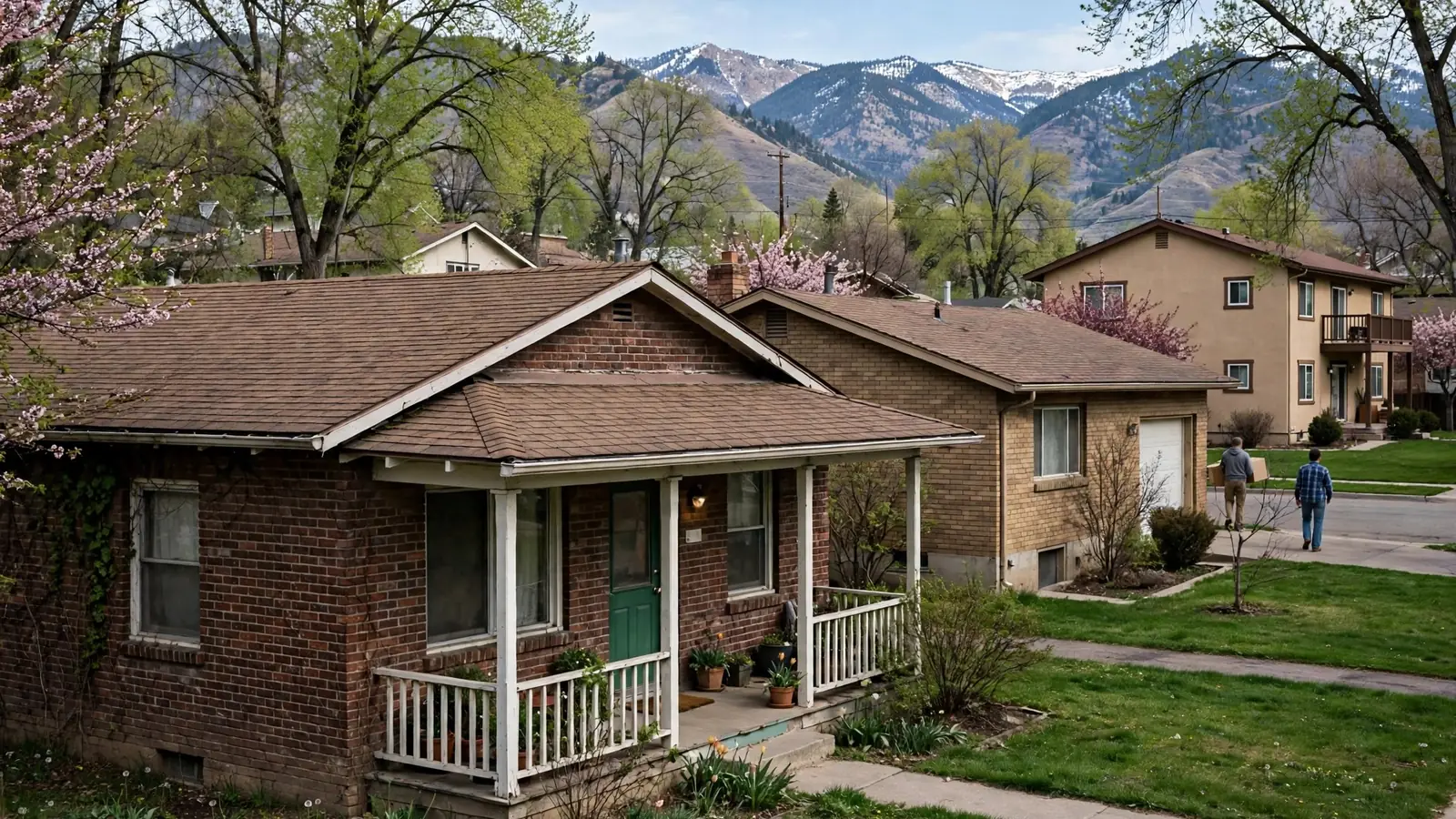
Springville's historic center grew up around Main Street and Center Street, where the city's civic buildings, churches, shops and the Springville Museum of Art sit. [1] The residential blocks around it were laid out on the wide Mormon pioneer grid, with deep lots, mature trees and a mix of brick cottages, bungalows and later infill houses. Many homes are more than a century old; others date from the mid-twentieth century.
These houses have character, and they have quirks. Many were built with small cellars or partial basements that were later dug out or finished. Plumbing has often been replaced in stages, so a single house may have original galvanized steel lines next to copper and modern PEX. Additions sit on different foundations from the original house. All of this matters when water gets in.
Typical causes
Common water problems in older Springville homes
- Galvanized pipe failureSteel pipes corrode from the inside; pinhole leaks and failed threaded joints are common after decades.
- Cast-iron drain cracksOld cast-iron drains crack along their length and leak slowly inside walls and under floors.
- Sewer lateral backupsClay or cast-iron laterals to the street can be invaded by tree roots from mature trees.
- Basement seepageOlder stone, block or early concrete basements were not waterproofed to modern standards.
- Roof and chimney leaksOlder roofs, flashing and unused chimneys let snowmelt into attics and walls.
- Add-on junctionsWhere an addition meets the original house, flashing and foundations often leak.
Older finishes
Plaster walls and water
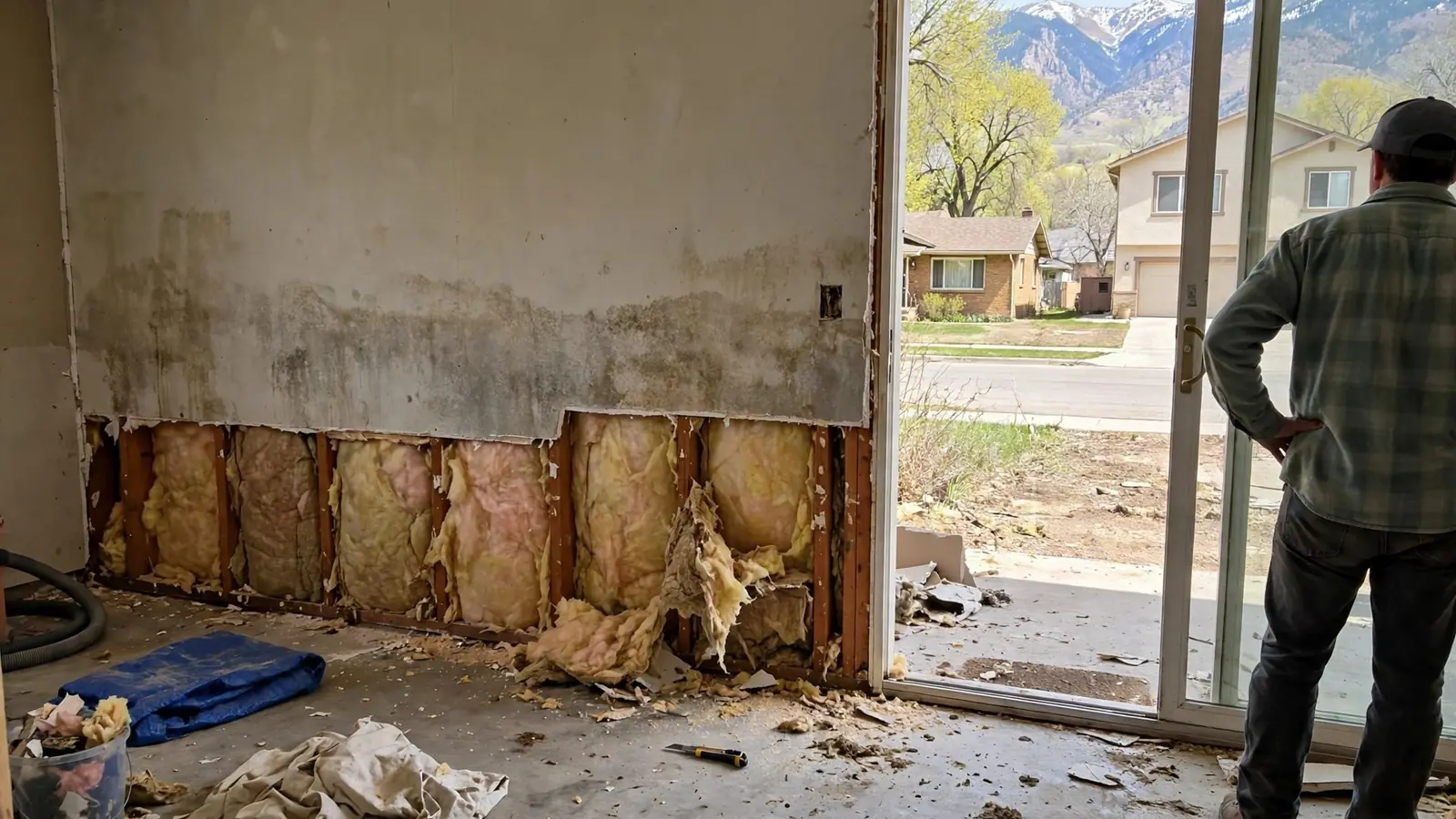
Many historic homes still have plaster on wood or metal lath rather than drywall. Plaster behaves differently when wet. It is dense and holds water longer, but it does not crumble the way soaked drywall does. Where it is sound, contractors often dry plaster in place with air movers and dehumidifiers rather than removing it, because replacing it properly is a specialist job and changes the character of the room.
Plaster that has lost its grip on the lath, or 'keys', may sag or bulge when wet. That needs careful assessment for safety. Ask the contractor you speak with whether they have experience drying plaster and lath walls.
Safety
Older materials and safety
Homes built before 1978 may contain lead-based paint, according to the EPA. [2] Older homes may also contain asbestos in materials such as some floor tiles, pipe insulation, plaster, and textured coatings. These materials are generally safe if left undisturbed, but tearing out water-damaged walls and floors can disturb them.
A responsible contractor will consider testing before removing suspect materials in an older home and will follow lead-safe work practices where paint is disturbed. If you know about past testing or renovation, tell the contractor on the call. It may change how the work is done.
The approach
How water damage is usually handled in an older home
- 1
Find every source
Older homes often have more than one leak path; the contractor checks plumbing, roof, and foundation.
- 2
Check for hazardous materials
Before tear-out, suspect materials may be tested or handled with lead-safe or asbestos precautions.
- 3
Extract and protect
Water is removed and original features such as woodwork and floors are protected.
- 4
Dry in place where possible
Plaster, old-growth wood trim and hardwood floors are dried rather than replaced when they are sound.
- 5
Remove what cannot be saved
Saturated insulation, newer drywall and carpet pad are removed as needed.
- 6
Document
Photos and readings support the claim and future repairs.
Materials
Older home materials and typical treatment
| Material | Typical approach |
|---|---|
| Plaster on lath | Dried in place if sound; loose plaster assessed carefully |
| Old-growth wood trim | Removed carefully, dried and reinstalled where possible |
| Original hardwood floors | Dried with mats and air; sanding and refinishing later if needed |
| Stone or block basement walls | Cleaned and dried; seepage addressed separately |
| Galvanized pipe sections | Repaired or replaced by a plumber |
| Newer drywall in finished basements | Cut out if saturated |
Basements
Basements in the historic center
Basements under older Springville homes vary widely. Some are shallow cellars with stone walls. Some were dug out later and have block walls with a poured floor. Many have been finished with carpet and framed walls by later owners. Few were built with the drainage, waterproofing and vapor control that modern basements have.
That makes them prone to seepage in wet springs and slow to dry after a leak. Contractors often recommend leaving some wall areas open after drying so moisture can be watched, and fixing drainage outside before refinishing.
Sewer lines
Sewer laterals and mature trees
The historic center has some of the biggest trees in town, and their roots follow moisture. Older clay and cast-iron sewer laterals have joints and cracks that roots can enter. Over time, a root mass can block the line and cause a backup through the basement floor drain. A camera inspection of the lateral is a sensible step in an older home, especially if drains have slowed or gurgled.
Downtown businesses
Commercial buildings on Main Street
Downtown storefronts and offices share many of the same issues: older roofs, shared walls with neighbors, and basements used for storage. A leak in one building can show up in the next. Our commercial restoration page covers how those losses are usually handled.
Wood floors
Hardwood floors in older homes
Original fir, pine and oak floors are a feature of many historic Springville homes. Solid hardwood reacts to water by swelling across the grain, which makes boards cup, with edges higher than the middle. If the water is removed and the boards are dried promptly, much of that cupping can relax. Sanding a floor flat while it is still wet is a mistake, because the boards will crown once they dry.
Contractors dry wood floors with floor mats that draw moisture out from beneath, combined with air movement and dehumidification. Readings are taken across the floor and compared with a dry area. Refinishing, if needed, comes only after the wood has stabilised.
Additions
Additions and mixed construction
Over a century, many downtown homes have gained rear additions, enclosed porches, dormers and finished basements. Each addition is a seam where roofs, walls and foundations meet. Those seams are common leak points, especially when snow and ice sit on lower roofs against taller walls.
Inside, an addition may have different framing, insulation and wall finishes from the original house. A contractor drying the house needs to treat each part on its own terms: plaster in the original rooms, drywall in the addition, perhaps a slab under one part and a crawlspace under another.
Character
Protecting original features
Historic homes often have original woodwork, doors, built-ins and hardware that are hard to replace. During cleanup, these should be protected, removed carefully when necessary, labelled and stored to dry. Baseboard and casing that must come off to dry walls can often be reinstalled. Ask the contractor how they handle original trim before work begins.
Wallpaper and painted finishes on plaster also deserve care. Some will survive drying; some will lift. Photographs before work begins help if finishes need to be matched later.
Upgrades
Plumbing upgrades after a leak
A leak in an older house is often a sign of more to come. If one section of galvanized pipe has failed, other sections of the same age are likely corroded too. Many homeowners use a water damage repair as the moment to replace remaining galvanized or old cast-iron lines while walls are already open. That is a plumbing decision, but the restoration contractor can tell you what they saw when walls were opened.
Plumbing
Signs of aging plumbing in older homes
| Sign | Possible cause |
|---|---|
| Low water pressure | Corroded galvanized pipe |
| Rusty or brown water | Corrosion inside steel pipes |
| Slow drains throughout | Old cast-iron or clay laterals with buildup or roots |
| Damp spots on ceilings | Leaking joints in old supply or drain lines |
| Gurgling basement drain | Partial sewer lateral blockage |
Ask
Questions to ask on the call
- Have you dried plaster and lath walls before?
- How will you protect original woodwork and floors?
- Will you test for asbestos or follow lead-safe practices if needed?
- How will you dry the basement under an older home?
- Do you share daily readings?
- What licences and insurance do you carry?
Talk to a local contractor
Questions about historic center?
One call connects you with an independent water damage restoration contractor who serves Springville.
Example
A typical historic center call
A common downtown call comes after a cold snap. A threaded joint in an old galvanized line under the kitchen, weakened by years of corrosion, finally lets go. Water runs across the subfloor, through gaps around old pipes and down into a basement where a later owner added carpet and paneling. The original fir floor above starts to cup within hours.
The contractor shuts down the line, extracts the basement, pulls the carpet and pad and removes paneling to check the stone or block wall behind. Upstairs, they set drying mats on the fir floor and keep air moving. Before cutting any old wall finishes, they consider the age of the house and whether testing for asbestos or lead-safe work practices are needed. A plumber replaces the failed section and often recommends replacing more of the galvanized line while walls are open.
Contents
Basement storage and contents
Older basements downtown were often used for storage long before they were finished, and many still are. Fruit rooms, root cellars and shelving along stone walls hold canned goods, keepsakes and seasonal items. After a leak or seepage, contents near the floor and against the walls are most at risk.
Move contents to a dry area quickly, open boxes and set items out to dry. Discard food that was in contact with contaminated water, following public-health guidance. Photograph everything before it is thrown away for any claim.
From above
Roofs and chimneys
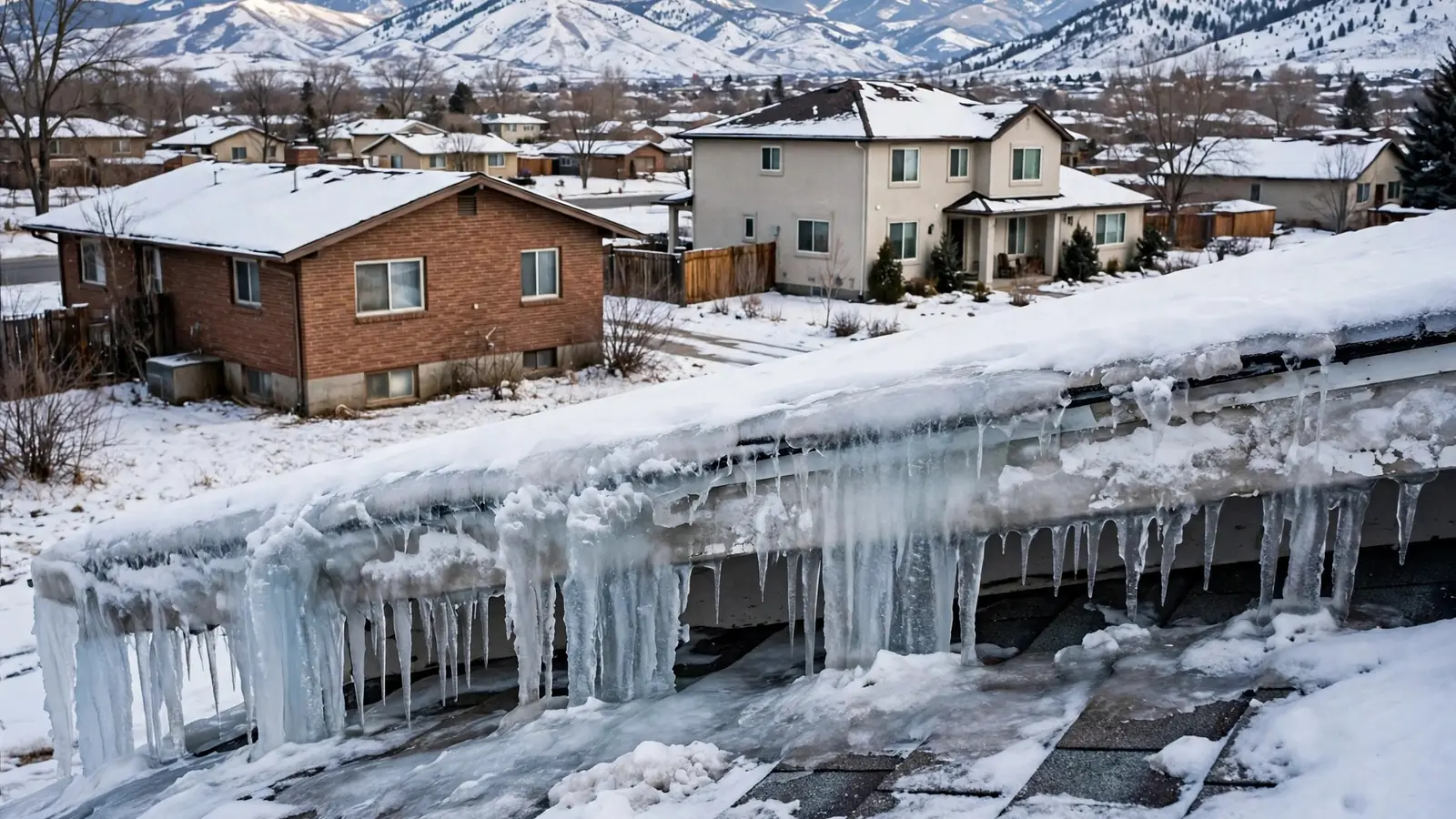
Older roofs often have several layers of shingles, flashing that has been patched many times and chimneys that no longer serve a working fireplace. Snow and ice collect around chimneys and in valleys between roof sections, and meltwater finds its way in. Water from a roof leak in an older house may run along rafters and appear far from where it entered, sometimes inside plaster walls.
Attic insulation in older homes is often thin or uneven, which contributes to ice dams. Improving attic insulation and air sealing reduces ice dams and the leaks they cause.
Neighbors
Commercial neighbors
Homes near Main Street sit close to shops, offices and churches. Shared alleys, older storm drains and buildings set close together mean water problems can cross property lines. If water seems to come from a neighboring building or a shared drain, document it and talk with the neighbor or Springville City as appropriate.
Questions
More historic center questions answered in detail
Our house has a stone basement. Can it be dried like a concrete one?
Stone walls are dried the same way in principle, with dehumidifiers and air movement, but they often hold more moisture and may take longer. They can also let in groundwater continuously, so drying may need to continue after the source outside is addressed.
Is it worth replacing all the galvanized pipe after one leak?
Many plumbers recommend it, because corrosion affects all pipes of the same age. Doing it while walls are already open after water damage can save repair work later. Get a plumber's assessment.
Will drying damage our original woodwork?
Drying is done gradually to avoid cracking. Trim may be removed, labelled and dried before reinstallation. Tell the contractor about any pieces you particularly want preserved.
Our basement has old paint flaking from the walls. Is that a concern during tear-out?
Paint in homes built before 1978 may contain lead. Disturbing it creates dust that should be controlled. Ask the contractor about lead-safe practices.
Does the city own the sewer line in front of my house?
Generally the city owns the main in the street, and the homeowner owns the lateral from the house to the main. Contact Springville City Public Works if you think the main is blocked.
Can we stay in an older home while it dries?
Usually, unless contaminated water, hazardous materials or electrical issues make parts of it unsafe. The contractor will advise.
Through the year
A year in an older home
Winter tests old plumbing and old roofs. Galvanized lines with thin walls and threaded joints are most likely to fail in cold snaps, and ice dams form on roofs with uneven insulation. Keep the heat steady, know where the main shutoff is and watch ceilings below roof valleys.
Spring is when older basements take in groundwater through stone and block walls. Summer storms test old gutters and downspouts. Autumn is the time to clean gutters, check the sewer lateral if drains have slowed and look at roof flashing around chimneys.
Differences
How cleanup in a historic home differs
The biggest difference is care. Contractors working in older homes try to save more original material, dry plaster in place where possible, protect woodwork and floors and consider hazardous materials before tearing anything out. That can make the job slower but preserves what makes the house special.
Drying is often slower too. Plaster, solid wood and stone hold water longer than drywall and engineered materials, and older houses have more cavities and fewer straight paths for air. Daily readings remain the measure of progress.
On the call
What to tell the contractor when you call
- Your address and accessStreet address, gate codes or a steep drive, and where a crew can park in Historic Center.
- Where the water came fromAn old supply line, a drain, the roof, the basement wall or the sewer.
- The age of the houseAnd any known asbestos or lead testing.
- Wall typesPlaster or drywall, and where.
- Original featuresFloors, trim or built-ins you want protected.
Preservation
Owning a piece of Springville history
Owners of historic homes near Main Street often take real pride in them, and with good reason. Keeping an older home dry is one of the most important things an owner can do to preserve it. Water is the main enemy of plaster, old-growth wood, brick mortar and stone foundations. Gutters, flashing, grading and plumbing upgrades are not glamorous, but they protect everything else.
When water damage does happen, choose a contractor willing to work carefully, save original materials where possible and explain their choices. Ask whether they have worked on older homes before. A good contractor will treat the house as something worth preserving, not just a job to finish.
Specialists
Specialists for older homes
Older homes sometimes need specialists beyond a general restoration crew: a plaster repair artisan, a floor refinisher experienced with old-growth wood, a plumber comfortable replacing galvanized and cast-iron systems, and an accredited inspector if asbestos testing is needed. The restoration contractor can often recommend people they have worked with.
Around the clock
Calling at any hour
Old pipes often fail during the coldest night of the year, and older roofs leak during the first heavy thaw. Calls through this site are answered around the clock and connected to an independent contractor serving Springville. Mention the age of the house and any original features you want protected, so the crew can plan to dry rather than demolish where possible.
Brick, mortar and moisture
Brick walls in older homes manage moisture differently from modern walls. Soft historic mortar lets the wall breathe, absorbing and releasing water through the seasons. Repointing with hard modern mortar, sealing brick with coatings or adding vapor barriers inside can trap moisture in the wall, leading to spalling bricks and damp interior plaster. After a water event in a brick home, drying should be gradual and the wall left able to breathe. If you are planning masonry repairs afterwards, look for a mason experienced with historic buildings.
Summary
The bottom line
Older Springville homes have weathered a century of winters, runoff and change. With careful drying and sensible plumbing upgrades after a leak, they can keep standing for another century. If water does get in, call early: the first day of drying shapes everything that follows, and the line is answered at all hours.
Getting help
Help for Historic Center homeowners
Whether the water came from a pipe, an appliance, the ground or the sky, the steps are the same: stop it if you can, stay safe, photograph, protect belongings and call. An independent contractor familiar with Historic Center and the rest of Springville can tell you on the call what to expect and how quickly drying can begin.
Questions
Historic Center questions
Can plaster walls be saved after a leak?
Often, if the plaster is still bonded to the lath. It is usually dried in place.
Should older homes be tested before tear-out?
Testing for asbestos and following lead-safe practices is sensible when disturbing older materials. [3]
Why does my old basement smell musty after rain?
Older basements often take in moisture through walls and floors. Drying and outside drainage improvements help.